

Alder
(Alnus glutinosa)
Alder is a little known
timber,and regarded by many as
a weed.
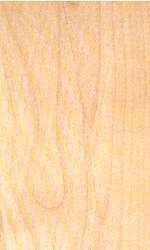
In fact it produces beautiful timber that is very stable. With the
older growth stock the colors can include dark brown in the heart wood but
it usually produces a creamy orangey color. The growth
produced can vary from straight to wavy with the latter creating
ripple figure through the timber. Older trees can develop burrs on
the trunk and these tend to be around the base of the tree. The
figure produced in the burr is stunning and is typical consisting of
a tight mass of small pin knots with wild grain in between.
Ash
(fraxinus excelsior)
Native
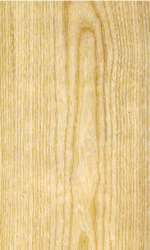
Ash is well known for it's strength and elasticity, the best grades being
sought for sporting goods and applications such as
tool handles. Older tree's develop a beautiful brown to almost black heartwood
and this combined with a high density of figure can produce stunning timber.
It is used extensively in applications such as shop fitting, furniture,
and high quality interior joinery. Ash has a course grain and therefore
requires grain filling if a high polished finish is required that does not
catch dirt. It is not durable for external use unless pressure treated and
is almost entirely used for internal applications.
Birch
(Betula pendula,alba,pubescens)
Traditionally
a turnery wood and one of the principal upholstery frame timbers the other
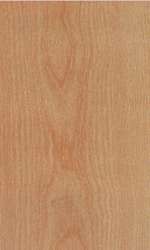
being beech. The timber is very fine grained and is generally creamy white
to biscuit in color. Figure varies with growth conditions from plain to
highly figured. Older trees which are hard to find surviving without the
center being hollow can produce a brown mottled heartwood which is stunning.
The timber is quite difficult to dry successfully without large degrade.
Birch can be used to great effect in furniture and with the fine grain can
be worked to a super silky smooth finish. Becoming more widely accepted
as a quality timber here in the UK. In the USSR and Finland birch is the
principal timber used for plywood manufacture.
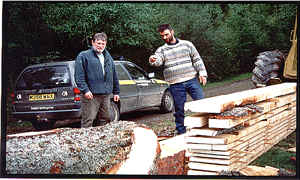
of a hand made kitchen project. The timber contained superb color
and figuring, it is rare to acquire birch in this specification.
(Fagus sylvatica)
Beech is probably the most used hardwood in the UK for massed produced furniture. It is extensively stained to resemble more exotic native hardwoods such as cherry and tropical timbers like mahogany .Beech in its most common form is cream to tan biscuit in color when steamed it changes to a red pink color. Quality can vary due to growth conditions and severe spiral grain can be present in some stock. Older growth mature tree's can develop heartwood which contains browns reds and greens along with a high degree of figuring this particular timber when available can be stunning. Beech is a tough strong hardwood but is not durable for outside use unless treated. Logs which are felled and left to lay for a year or so can develop spalting through the timber. This is caused by fungal attack on the timber and is in essence decay. The resulting figure can be superb if caught in time before the structural integrity of the timber diminishes. (see lower left) Much sought after by turners and furniture makers who appreciate a high degree of color and figure.
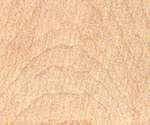
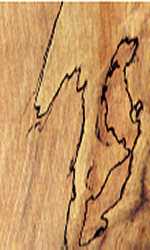
produced some superb colored heartwood along with clear high grade outer boards.
(Prunus avium)
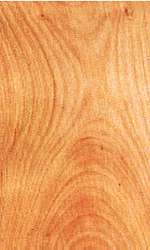
Beautiful furniture timber having a warm red/orange color and bold grain figure. Not readily available in large clean sizes due to growth characteristics. Difficult to dry without large degrade has a tendency to warp and split but makes up for the drawbacks in the color and figure.
(Ulmus glabra)
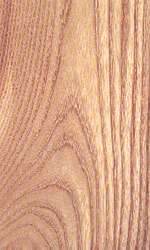
Light to dark brown in color with green streak commonly showing in the timber. Course grain requiring careful finishing, interlocked grain gives the timber a good resistance to splitting and as such is used for the seat sections of good quality country style chairs. Where a dark colored wood is required and staining is not a option Elm can usually fit the bill.
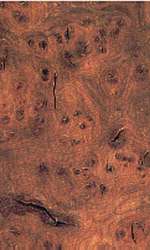
It has superb figuring due to the growth characteristics particularly the Burr elm (top left) which can match any exotic tropical for sheer beauty. Elm can be used to great effect as a detail timber on lighter colored woods or vice versa. If treated elm can be used as weather boarding but is naturally not durable unless submerged in water.
Elm produces magnificent furniture and is held in great esteem by at least one famous manufacturer I can think off.
(Quercus robur)
Native oak is regarded by many for its durability, strength, and figure. It is without doubt the most naturally durable timber we have at our disposal here in the UK. It is used extensively in all high quality furniture and joinery work. The timber itself is best if quarter sawn, (boards cut from the outside edge to the center of the log) this is not commonly done now due to the high wastage factors involved. The process cuts through the food cell of the tree which when exposed gives the instantly recognizable figure we all recognize from visiting the local town hall or stately home(lower left). The other benefit of converting the tree this way is that the timber is far more stable in use. Traditionally all high quality drawer sides would have used the finest quarter sawn oak in there construction, not only to display the beautiful figure every time you open the drawer, but because the oak wears well with the regular opening and shutting of the drawer. Sadly now you will rarely see this degree of quality from most furniture makers, I on the other hand insist still on using it even though at times it would be much easier and more profitable to use plywood. The oak tree can be attacked by the fungus(Fistulina hepatica) or beef steak fungus, this has the effect of turning the timber a dark brown color, or alternatively the oak can be fumed to produce a darker brown color. Oak contains a large amount of tannin and as such will corrode ferrous metals if water is present, stainless steel, brass or other non ferrous metal fixings should be used.
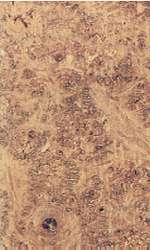
Burr oak (top left) is particularly prized although difficult to work as it tends to have a very brittle nature when in veneer form.
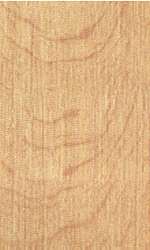
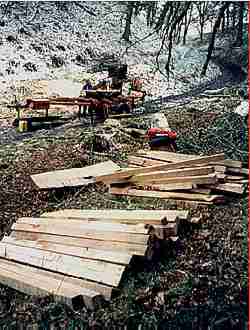
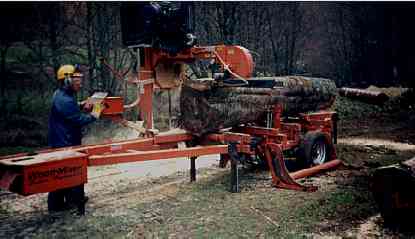
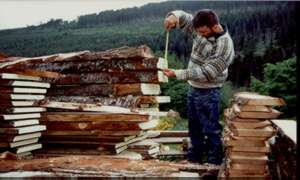
Native oak being milled for way markers for Craigmoney Woodland
Association, the timber was kindly donated by the Woodland Trust.
Sycamore
(Acer pseudoplatanus)
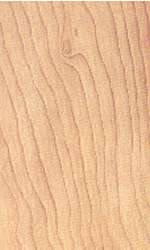
Sycamore is fast becoming accepted
as a high quality hardwood were a light colored timber with subtle grain
pattern is required. The plate at the left can not do justice to the light
cream/white color sycamore is known for. Still thought of by many as a
weed or invasive specie sycamore is a superb hardwood, strong, close fine
grain and stable. The tree can occasionally grow with a wavy grain and
it is this that creates the fiddleback sycamore that adorns the backs
and bellies of the best violins. The figure consists of a even mass of
bands running perpendicular to the direction of the grain. The timber
in this state is almost exclusively veneered. The timber is thought to
be neutral not offering scent or odors, this is why it was and is used
in the manufacture of butchers blocks and chopping boards.
In old growth tree's the heartwood can produce a dark brown timber interlaced
with red and green streaks, absolutely stunning and totally unrecognizable
as sycamore.
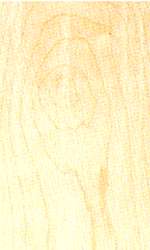
note the even white color and the small patch of rot
just starting at the bottom.
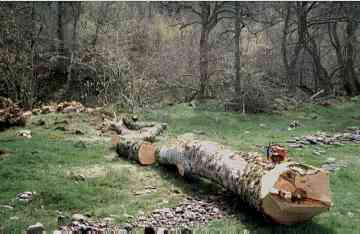
note the board ends painted white to reflect
sunlight and to prevent excessive splitting.
(Cedrus libani)
Not strictly speaking native but I had to include this as I insist on it for all my draw bottoms. Most of my stock is actually acquired in Scotland but the trees native home land as the name suggests is Lebanon and Asia. The timber is used primarily for its scent which is strong. Nothing can compare to opening a hand made drawer with a cedar base and smelling the aroma of quality every time. It can be used for lining wardrobes out as well with the same reason in mind, in addition it does deter moths which is again useful
(Juglans regia)
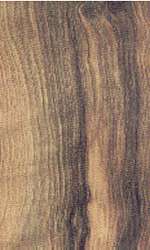
Native walnut is difficult to come by, I have never been able to understand why such a beautiful and valuable tree is not more widely planted. There are specimens planted on estates and public land, but very rarely do you see trees planted on private ground. The timber of native walnut is superb in color and grain pattern, light to dark chocolate brown with black streaks and knots. Never usually growing straight and tall ripple figure is common and adds to the already perfect look. The finest of our native timbers for cabinet work were a dark colored wood is required. Burrs can occur on walnut and I'm sure we've all seen bedroom suites plastered with burr walnut veneer. This period did little in my opinion to display the real beauty of burr walnut. Too much of any one thing makes it look wrong. It is far better to use it sparingly with a equally beautiful contrasting timber.
Caledonian Pine
(Pinus sylvestris)
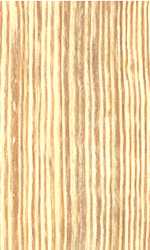
The Caledonian pine is the name
given to old growth (over 150 years) Scots pine and the comparison to
young growth stops there. The old growth trees develop timber that is
totally different to young trees. The young timber lacks fully mature
heartwood, the resin content is significantly lower and the quality of
the outer boards given years of branchless growth and time to develop
a high percentage of heartwood within the tree shows on inspection. The
resin content of old growth can be to such a degree that translucency
can occur were deposits are high. This makes finishing with traditional
sanding techniques almost impossible. It is usually better to use a cabinet
scraper or a finely set plane to acquire the required finish. The scent
of pine from the timber is very
strong and appealing. The timber truly can claim to be a genuine
piece of Scottish history. For further information on the Caledonian
Pine tree click the link under Information at the top.
(Prunus padus)
This timber is unavailable commercially probably due to its generally small size,it is some what different to other cherry's in that the color is much lighter and the texture is finer. The bold figuring remains though and it is a excellent timber to work. I made a coffee table out of a small tree that blew down in a neighbor's garden and placed it in the gallery . It always attracts visitors to it and various commissions have developed from the piece. The timber deserves a mention purely for this reason and for the fact that I like to assess the suitability of non standard timbers in furniture making. This one passed the test with flying colors.
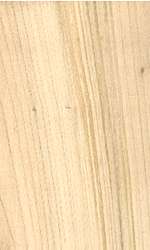
I primarily work with and have intimate experience off.
If you require information on tropical or North American timbers
I would be pleased to answer any questions you may have.
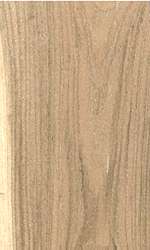
(Sorbus aucuparia)
Not used a great deal in furniture but worthy of a mention. Unusual brownie color with green streaks and white/creamy sap wood. Fine grain and finishes well, unusual odors when sawing. I made a ladies dressing glass from it and used fine boxwood lines inlaid as a contrast. The tree does not grow very big and is prone to heart rot, it also has a tendency to sprout numerous leaders creating a large dense crown.